Introduction
While initial research on SARS-CoV-2 focused on its entry into cells and intracellular replication, the full picture of COVID-19 involves a complex, systemic cascade of events that affects the entire body. This comprehensive review synthesizes the current understanding of how SARS-CoV-2 infection extends beyond individual cells to disrupt whole-body metabolism, dysregulate humoral signaling, and cause widespread damage to multiple organ systems. The research provides a critical framework for understanding the diverse clinical symptoms of COVID-19 and its long-term consequences.
Research Objective
This review aimed to provide a broad overview of the host’s systemic response to SARS-CoV-2 infection by:
- Synthesizing current knowledge on the extracellular and systemic effects of the virus, from metabolic pathways to organ-level pathophysiology.
- Describing the consequences of infection on metabolism, the immune system, the endocrine system, and cardiovascular function.
- Elucidating the molecular mechanisms, including the role of non-coding RNAs, that drive the varied clinical outcomes observed in patients.
Key Findings
- Systemic Metabolic Shift: Infection induces a catabolic state, significantly altering whole-body metabolism. Serum levels of key TCA cycle metabolites like citrate, fumarate, and malate were significantly lower in infected patients, while circulating triglycerides and free fatty acids increased, with these changes correlating directly with disease severity.
- Widespread Organ Damage: SARS-CoV-2 is a multi-organ virus. Autopsy studies confirm viral presence and damage not only in the lungs but also in the brain, heart, kidneys, liver, and gastrointestinal tract. Viral material can persist in non-respiratory tissues for over seven months post-infection.
- Cardiovascular Complications: The virus directly infects endothelial cells, causing endotheliitis (inflammation of the blood vessel lining), micro-thrombosis, and hypercoagulability. This contributes to myocardial injury, with elevated troponin I levels—a marker of heart damage—observed in over 10% of hospitalized patients.
- Immune System Dysregulation: Severe COVID-19 is characterized by a “cytokine storm,” with massive upregulation of pro-inflammatory cytokines like IL-6, IL-8, and TNF-α. This hyperinflammation is coupled with lymphopenia (a sharp decrease in T-cells) and results in dense, damaging immune cell infiltration into vital organs.
- Endocrine and Humoral Imbalance: The virus’s use of the ACE2 receptor disrupts the Renin-Angiotensin System (RAS), leading to a “bradykinin storm” that contributes to vascular leakage and inflammation. Endocrine glands, including the pancreas and thyroid, are also vulnerable, leading to hormonal dysfunction and glycemic control issues.
- Regulatory Role of Non-Coding RNAs: Host non-coding RNAs (ncRNAs), such as miR-2392, are dysregulated during infection. These molecules play a crucial role in regulating viral replication, mitochondrial function, and the host’s inflammatory response, identifying them as potential therapeutic targets.
Methodology
This publication is a comprehensive literature review that synthesizes and analyzes findings from a wide range of virological, animal model, and clinical human studies. The authors integrated data from multiple disciplines, including:
- Organisms/Subjects: The review primarily focuses on data from human COVID-19 patients, including clinical reports and autopsy studies.
- Experimental Evidence: It draws upon findings from transcriptomics, proteomics, metabolomics, and cellular biology to build a multi-scale model of the disease.
- Key Techniques: The analysis consolidates evidence from molecular profiling, histopathology, and clinical observation to explain the progression from cellular infection to systemic disease.
Importance for Space Missions
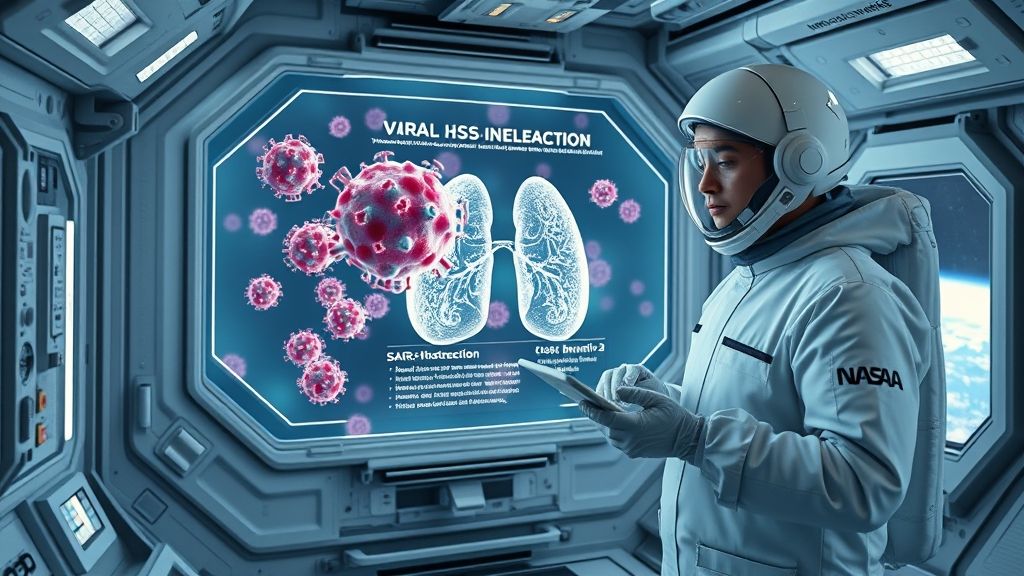
The profound systemic stress caused by a viral infection like COVID-19 poses a significant risk to astronaut health and mission success, particularly on long-duration missions where medical resources are scarce. Spaceflight is known to dysregulate the immune system, potentially making astronauts more susceptible to the severe inflammatory outcomes detailed in this review. Furthermore, the multi-organ impact of the virus, especially on the cardiovascular and neurological systems, overlaps with known health risks of spaceflight, creating a potential for compounded physiological stress. Understanding these complex host-virus interactions is critical for developing effective countermeasures and managing medical emergencies in space.
Knowledge Gaps & Future Research
Despite rapid progress, significant questions remain about the systemic effects of SARS-CoV-2:
- The precise mechanisms that determine why some individuals develop Post-Acute Sequelae of SARS-CoV-2 (PASC), or Long COVID, while others recover fully.
- How to therapeutically target non-coding RNAs to modulate the host’s immune and metabolic response without causing unintended side effects.
- The long-term impact of COVID-19 on organ structure and function, especially in the brain and heart, and the timeline for complete recovery.
- How pre-existing conditions and other stressors alter ACE2 expression and endocrine function, influencing individual susceptibility to severe disease.
Results
This review consolidates our understanding of COVID-19 as a systemic disease that hijacks and disrupts interconnected physiological systems across the entire body. By detailing the cascade of events—from metabolic shifts and humoral imbalances to widespread organ inflammation—the research underscores the complexity of the host-virus interaction. This systemic perspective provides a crucial framework for developing targeted therapies for both acute infection and long-term complications like PASC. Such knowledge is vital for safeguarding the health of astronauts, who face unique physiological challenges in the isolated and stressful environment of space.